GROK 2026!

There’s something special about walking into GROK and immediately spotting familiar faces.

Not just one or two, but dozens. Founders, operators, creatives, technologists. People from the StartupGVL community who are all building, questioning, experimenting, and showing up. Add in the sponsors, the partners, the speakers who feel more like peers than presenters, and it becomes clear pretty quickly. This isn’t just a conference you attend. It’s one you’re part of.

And this year, that feeling was everywhere.

GROK has always had a way of bringing the right people into the same room, but this year felt different in a way that is hard to fully explain unless you were there. There was a strong presence from the Greenville community, with familiar names on the agenda, familiar logos on the sponsor list, and even more familiar faces in the crowd. It felt like an extension of what is already being built here, just on a bigger stage, where ideas, conversations, and relationships could stretch a little further.

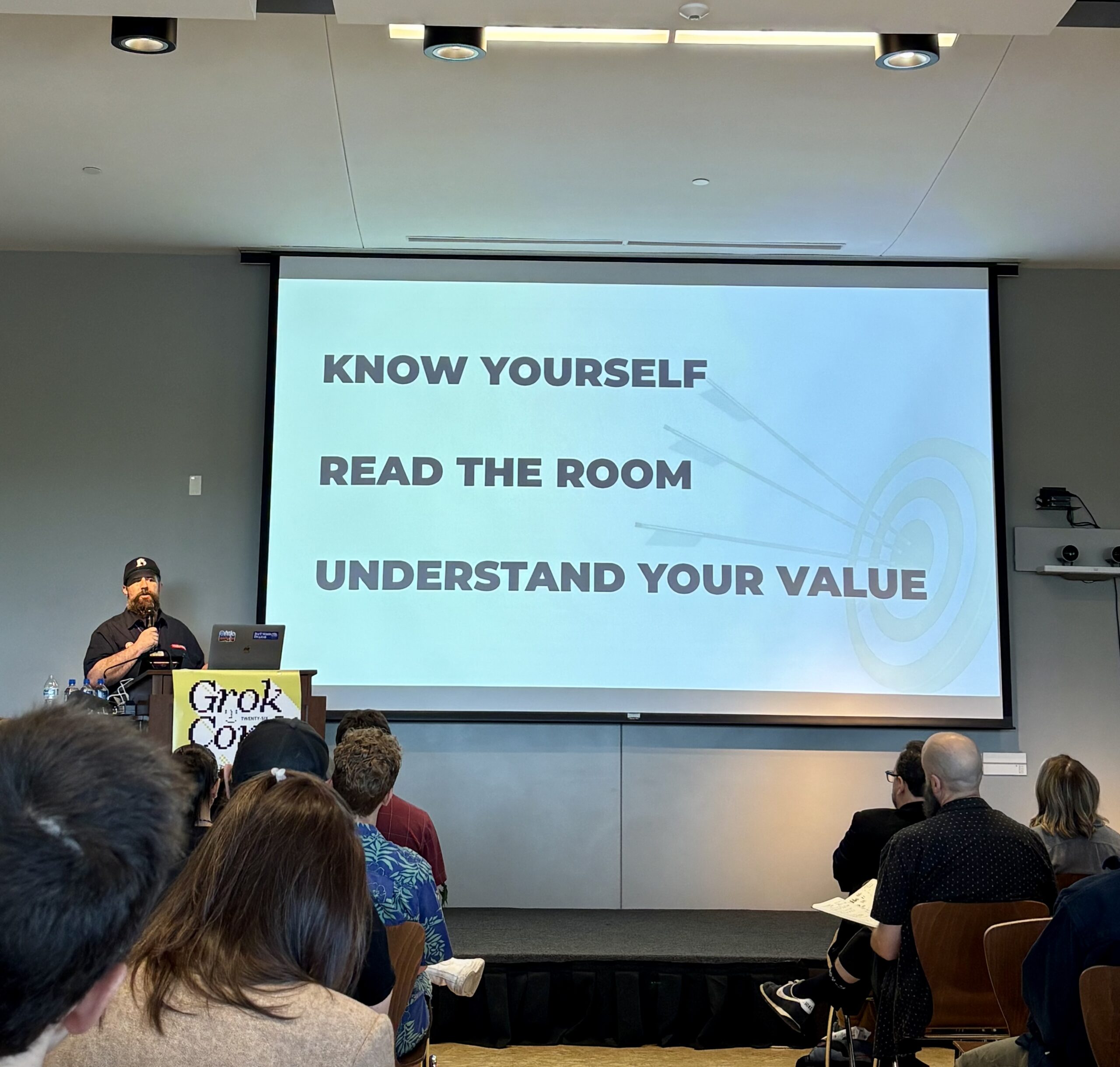
The content matched that energy from the start. Peter Barth opened with a story that didn’t follow a clean or predictable path, and that was exactly the point. From moving constantly growing up to trying to follow a version of success that made sense to other people, his early experiences reflected something many people quietly relate to. It was not until things unraveled a bit, from dropping out to starting over, that he began to find a direction that actually fit. Cold calling hundreds of people a day as a young stockbroker, learning how to keep going when most people would quit, and taking opportunities as they came rather than waiting for the right one to appear all shaped the way he approaches building today.

That idea of taking the open door instead of waiting for perfect carried through everything he shared. The path that led to building NEXT and growing The Iron Yard did not start with a polished plan. It started with noticing what was missing in a community and deciding to do something about it. Over time, that meant learning how to read the room, how to adapt to different cities, and how to build something that actually fits the people it is meant to serve. It was less about imposing a solution and more about listening closely enough to understand what was needed.

Another thread that ran through his talk, and through many others across the conference, was how much things are shifting right now. The markers people once relied on to define progress or success are losing their weight. Job titles, credentials, and even traditional ways of measuring output are becoming less reliable signals, replaced by something that feels more fluid and, at times, less certain. Instead of waiting for things to settle, there is a growing recognition that this is the environment now, and the people moving forward are the ones willing to operate within that uncertainty.

That reality showed up clearly in conversations around AI. Adoption is happening quickly, but the impact is still uneven, especially inside larger organizations where there is pressure to move fast without always having a clear direction. Many companies are being told to integrate AI into their work, yet they are still figuring out what that actually looks like in practice. The tension between speed and clarity is real, and it is forcing teams to rethink not just what they can build, but what is actually worth building in the first place.

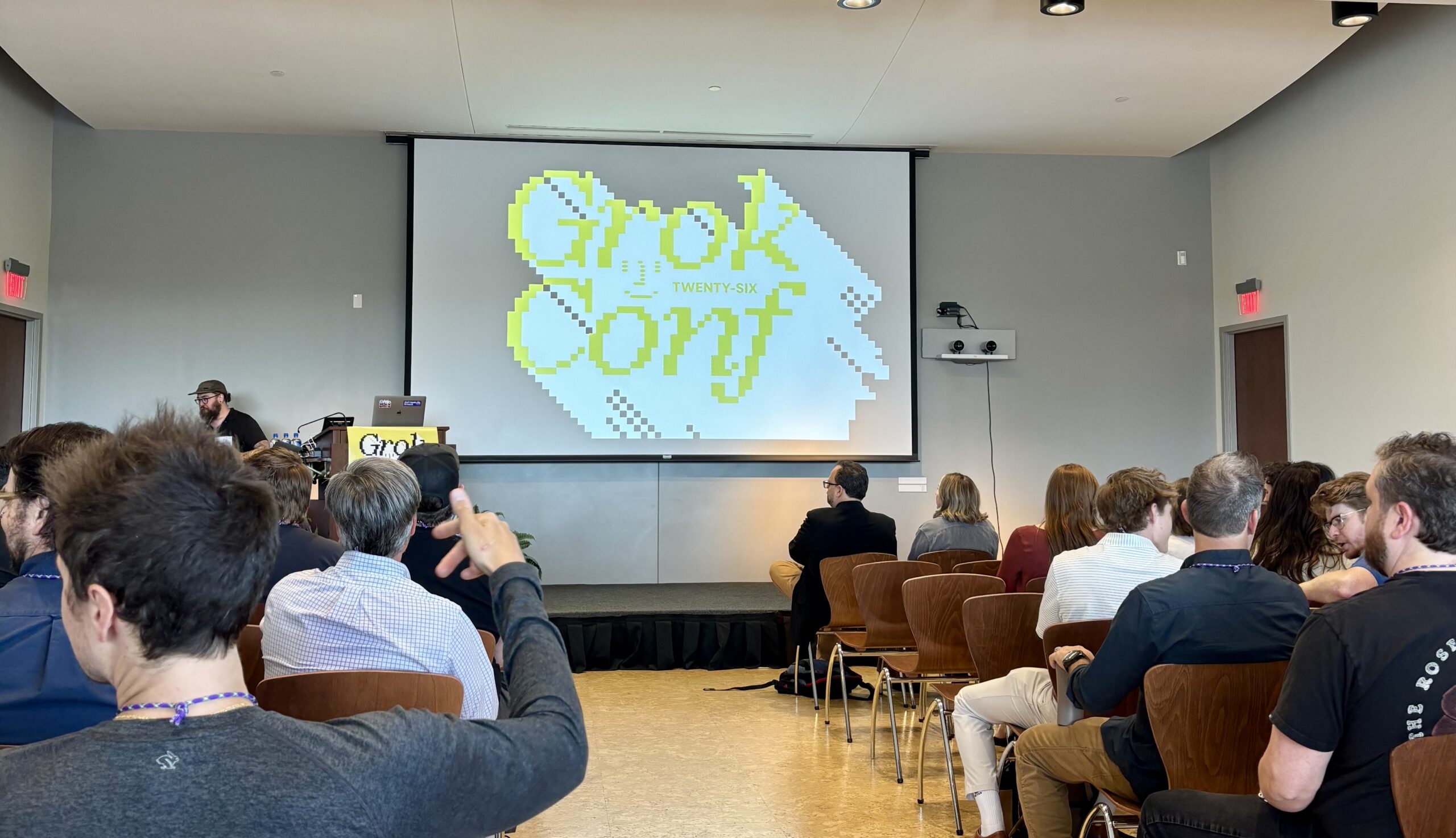
Diana Mounter from AlphaSense spoke directly to that shift, framing it as a move from execution to judgment. Where teams once focused on whether something could be built, the question now centers on whether it should be. AI has not removed the need for systems thinking, it has made the absence of it more visible and more costly. Design, in that sense, is no longer just about generating ideas or outputs. It is about making decisions, asking better questions, and staying grounded in the purpose behind what is being created.

That emphasis on curiosity showed up in quieter but equally meaningful ways throughout the conference. It looked like following a question further than expected, letting one idea lead to another without needing a clear end point, and being willing to explore something simply to understand it better. Whether it was building a game and testing it with AI agents or chasing a random thread that somehow connects back to something local, the underlying theme was consistent. Progress often starts with asking why and being willing to keep asking it.

At the same time, there was a level of honesty in the room about the challenges that come with all of this change. Questions around talent development, shifting team dynamics, and evolving leadership roles were not brushed aside. Instead, they were part of the conversation. What happens to early career pathways as certain types of work change. How teams adapt when some individuals are moving faster with new tools than others. What leadership looks like when experience alone is no longer enough to navigate what is ahead.

There were no easy answers, but there was a shared understanding that the human side of the work is becoming more important, not less. Judgment, taste, and perspective are not things that scale in the same way technology does, and that creates space for people to step into new kinds of roles that focus less on execution and more on direction.

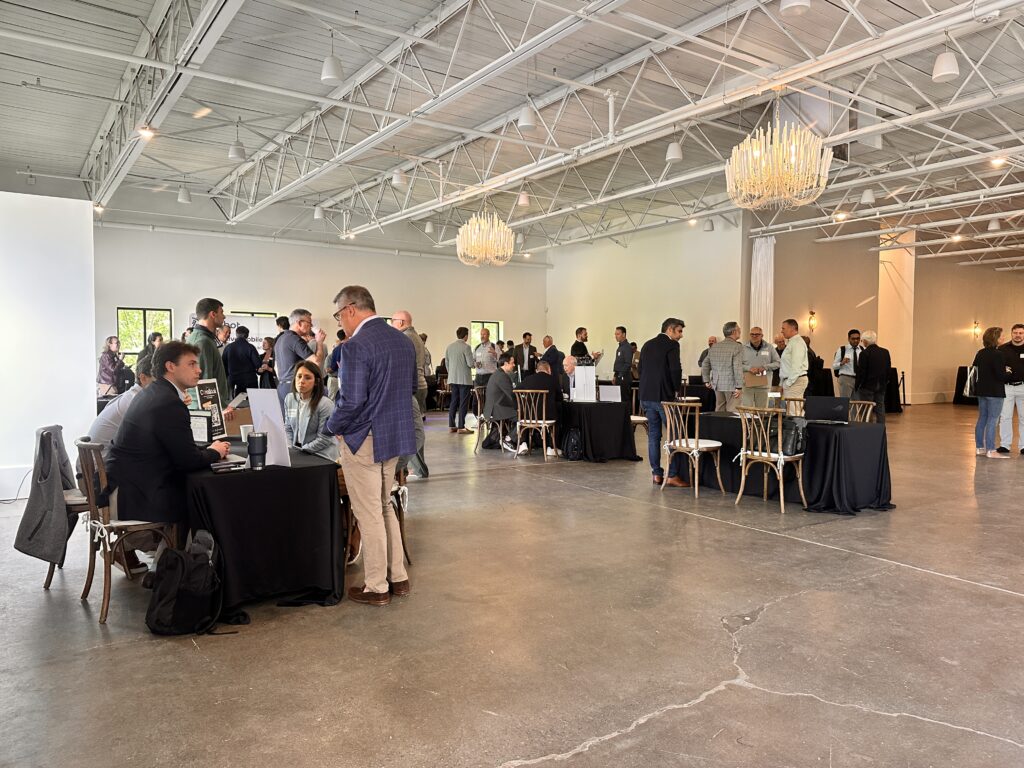
That is also where community continues to matter. Some of the most valuable moments at GROK did not happen on stage, but in the conversations between sessions, in the quick introductions that turned into something more, and in the shared sense that everyone in the room was trying to figure things out together. There is a different kind of energy when people show up not just to listen, but to contribute and connect.

Andrew Miller, a three time GROK attendee, captured that feeling well when he said that Grok Conf is one of the places where he feels most at home, connecting with other curious humans, sharing what they are learning, and pushing each other to think better. That sense of belonging is not accidental. It is built over time through people consistently showing up, sharing openly, and investing in each other.

Seeing so many members of the StartupGVL community at GROK made that even more clear. This is a group that is actively participating in the conversation, not sitting on the sidelines. From founders exploring new business models to creatives experimenting with new tools and teams working through real challenges, the presence of this community reflected both the range of work happening here and the willingness to keep exploring what comes next.

If there is one takeaway from this year, it is that we are still early. Early in understanding how these tools will shape the way we work. Early in figuring out how to build teams and systems that can adapt to constant change. Early in learning what matters most when so much is still in motion.

That uncertainty does not have to be a barrier. In many ways, it is what creates the opportunity to try new things, to learn in real time, and to play a role in shaping what comes next. That spirit was present throughout GROK this year, and it is something we are already looking forward to building on together when we come back again next year.

Share this Post:

Related Posts

Featured News

Engineering a Better Bite: From Family Table to Local Markets

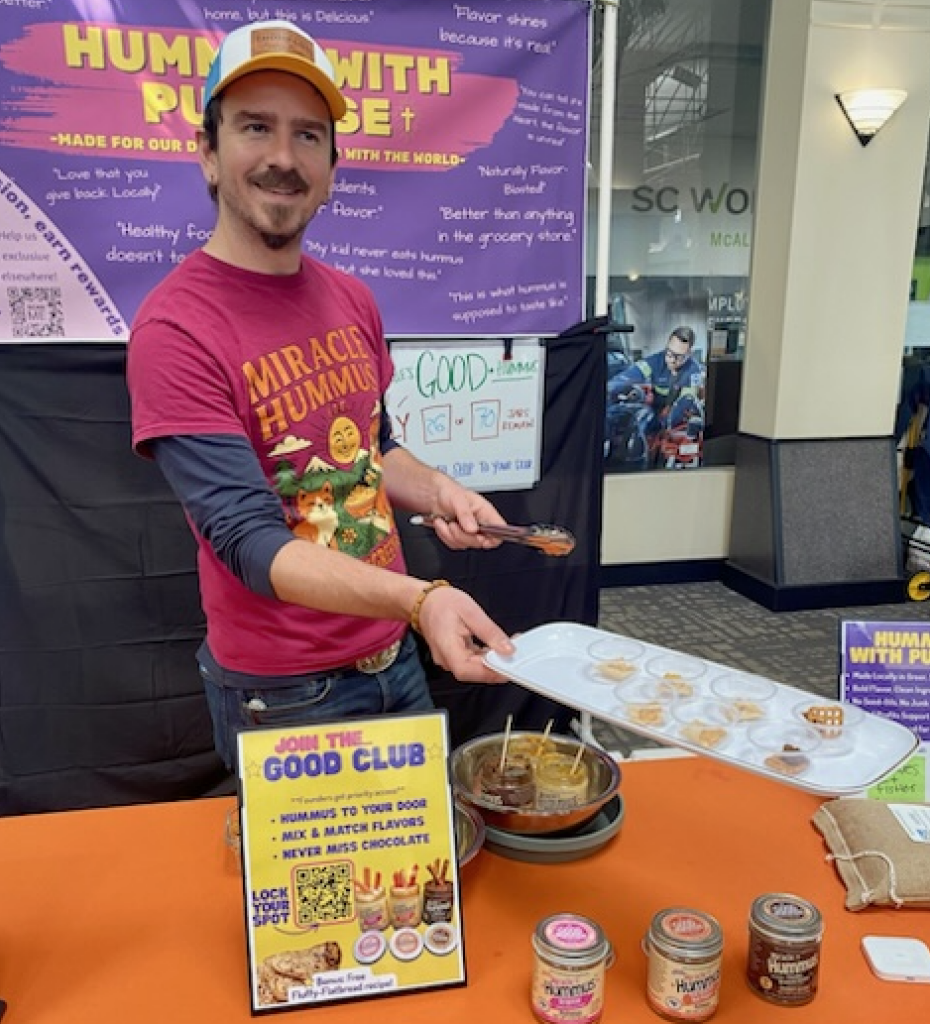
Ian Thompson built Miracle Hummus with a simple goal in mind: to create something real that he could one day pass down to his family. With a background in mechanical engineering and a long-standing drive for entrepreneurship, Ian stepped away from the traditional career path to build a business rooted in ownership, health, and legacy.

Read More
Featured News

NextGEN’s New Fix My Pitch Program

Every startup has a pitch. But not every pitch is actually working.
Too often, founders are walking around with a deck or a one liner that explains what they do, but does not land, connect, or clearly communicate the value of what they are building. That is the gap NextGEN’s brand new Fix My Pitch program is designed to address.

Read More

A New On Ramp To Entrepreneurship In Greenville

One of the best things about Greenville’s entrepreneurial community is that there is no single way in. Some founders come through accelerators. Some start as side hustles. Others begin with a class, a skill, or a moment of curiosity.
This Tuesday, February 10, Greenville Literacy Association is launching a brand new program that adds another meaningful entry point into the local startup ecosystem.

Read More